Notes on Building a Consistent Morning Flow
A considered look at how a structured morning sequence shapes the quality of attention carried through the rest of the day. The architecture of habit and the small choices that sustain it.
There is a particular order to how the body learns through repetition — a logic that sits beneath the surface of any consistent mat practice, waiting to be observed rather than optimised.
A considered look at how a structured morning sequence shapes the quality of attention carried through the rest of the day. The architecture of habit and the small choices that sustain it.
An examination of how long-held seated positions accumulate change in joint range over weeks rather than sessions. On patience and the value of incremental observation.
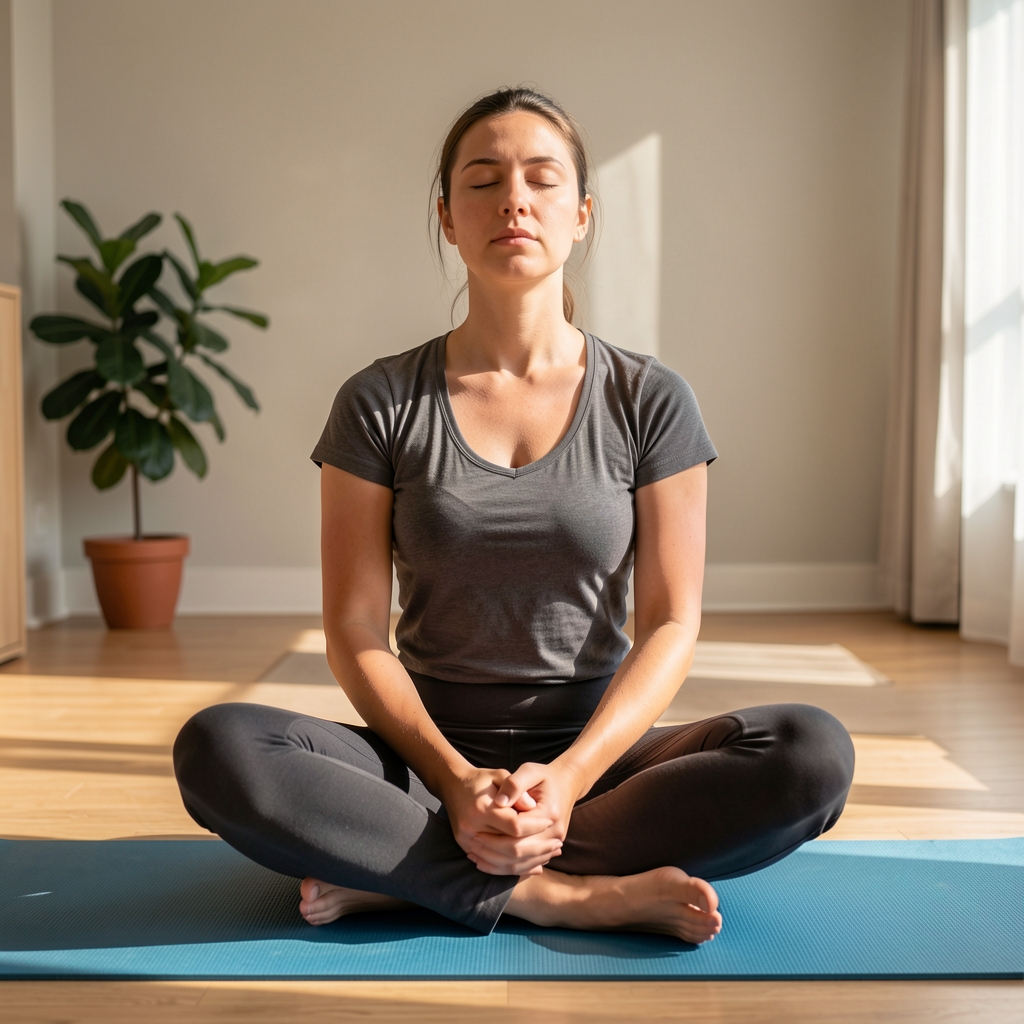
On the relationship between intentional breath patterns and how the body navigates transitions between postures. A close reading of breath as structural element.
Dreni Gazette approaches yoga and daily stretching as subjects worthy of the same sustained attention given to any worthwhile editorial field. Articles are written by practitioners with documented engagement in their subject, reviewed against published biomechanics research, and corrected openly when the record requires it.
The publication covers morning flow routines, seated stretch progressions, breath work coordination, restorative postures, and the longer question of what consistency in mat practice actually produces over time.
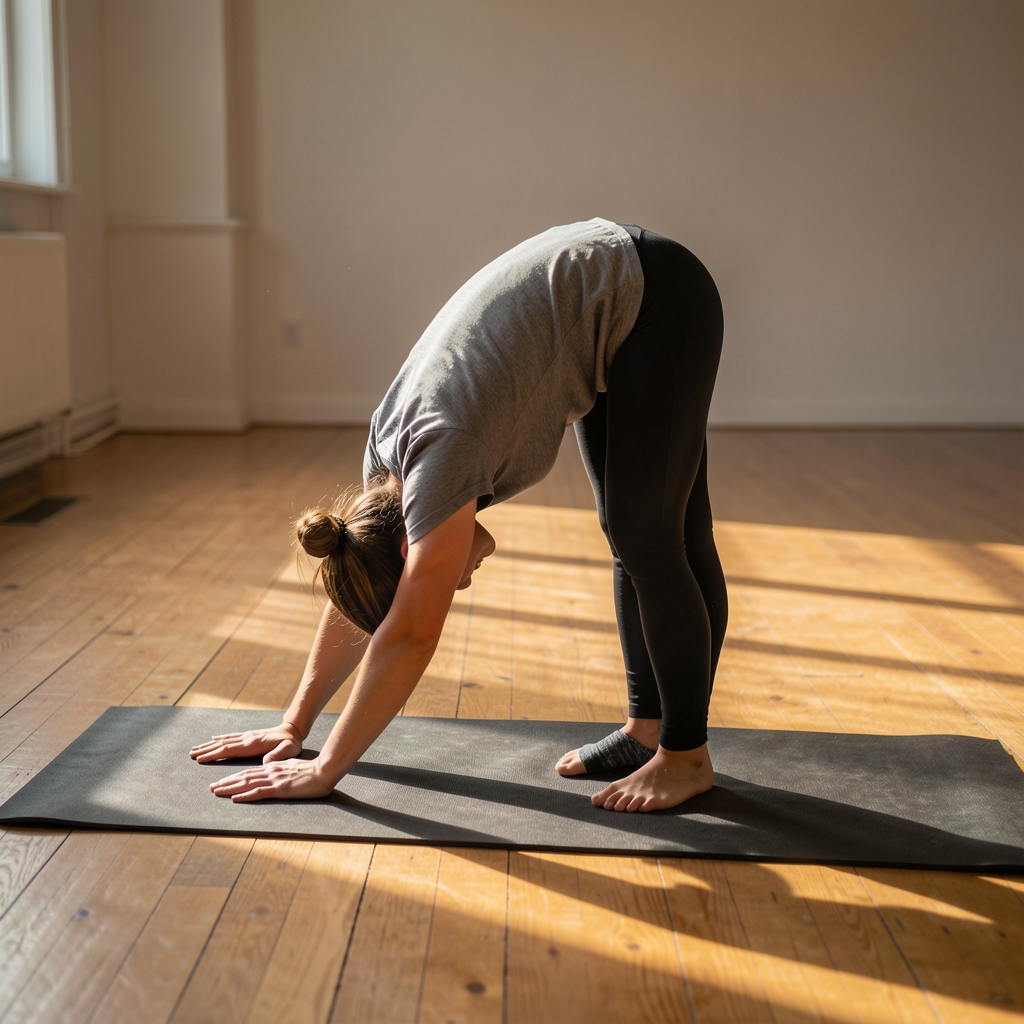
The structure and pacing of morning sequences — how to open joints effectively, warm connective tissue, and settle the attention before the day begins.
Long-term approaches to hip and shoulder range, passive and active stretching methods, and what published research indicates about progression timelines.
The coordination of breath across a yoga sequence — how inhale and exhale timings relate to movement transitions and the quality of held postures.
Passive, supported postures held for extended durations — their place within a weekly routine and the distinct quality of recovery they offer.
Seated and standing alignment in daily life — the small adjustments that accumulate over time and the relationship between mat practice and posture off the mat.
Practical notes on establishing and sustaining a home practice — space, props, sequencing, and the particular quality of working without a class environment.
“The body holds a particular kind of knowledge — not the kind that can be retrieved from memory alone, but the kind that must be refreshed through practice, in sequence, with attention.”